1
Thermometers
Description
Used to measure precise temperatures in various laboratory applications such as immersion tanks and heating ovens.
Accuracy & Specifications
±0.1°C depending on gauge type (digital or mercury).

Core laboratory infrastructure including thermometers, sieve shakers, and Los Angeles abrasion machines used across all test types.
Used to measure precise temperatures in various laboratory applications such as immersion tanks and heating ovens.
±0.1°C depending on gauge type (digital or mercury).
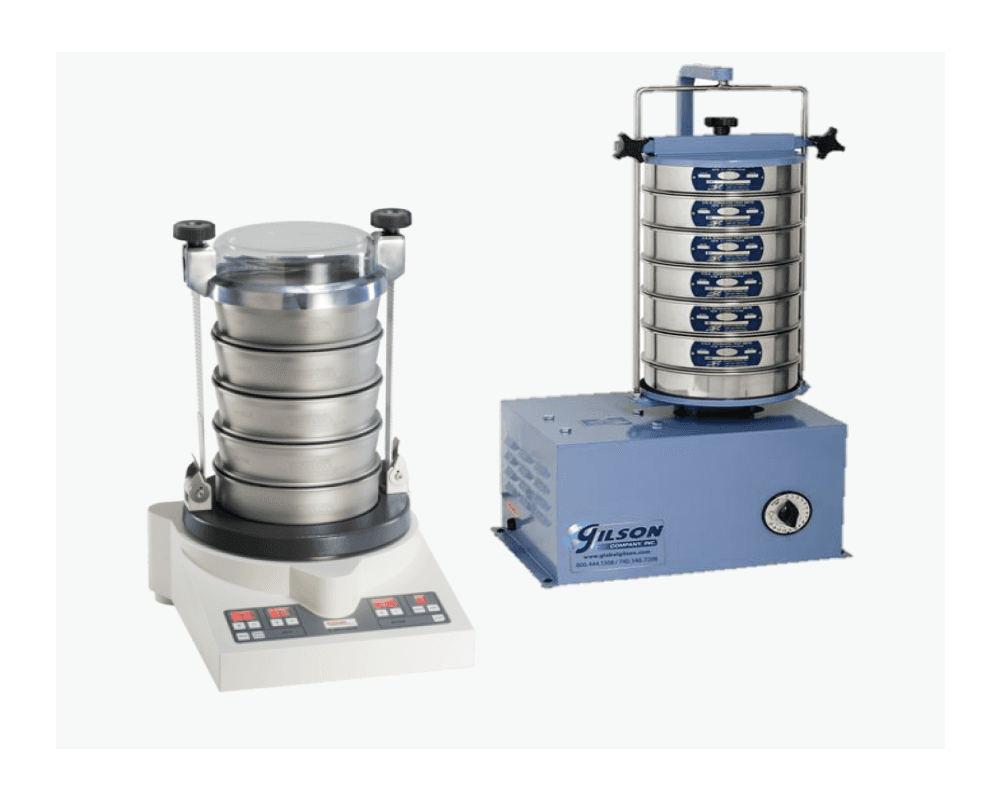
Mechanical vibrating device to facilitate separation and classification of particles in soil or aggregate using standard sieves of specified diameters.
Ensures repeatability in sieve analysis results up to ±2% between tests.
Used to test the resistance of coarse aggregate to abrasion and degradation due to friction and impact.
Follows ASTM C131 / ASTM C535, providing reliable results on aggregate quality used in pavement layers and concrete/asphalt mix design.
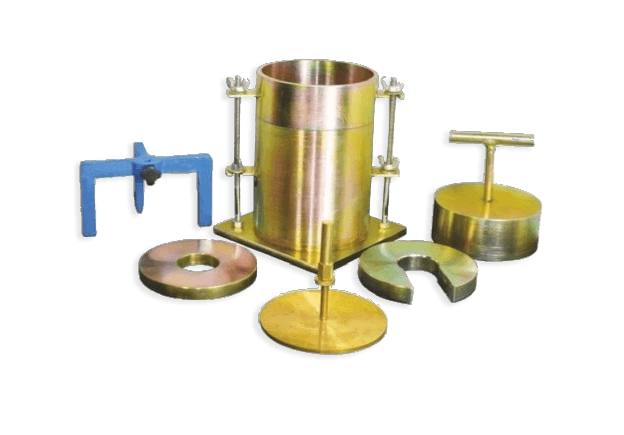
Device for testing grain composition of soil and aggregate using standard sieves, also used to determine field density via the replacement method.
Provides accurate results per ASTM D1556 international standards.
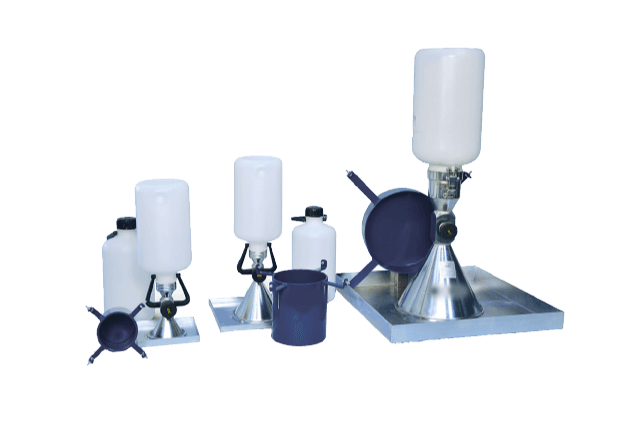
Device for producing pure water free from salts and impurities for use in chemical and laboratory tests.
Distills water to achieve electrical conductivity below µS / 5cm.
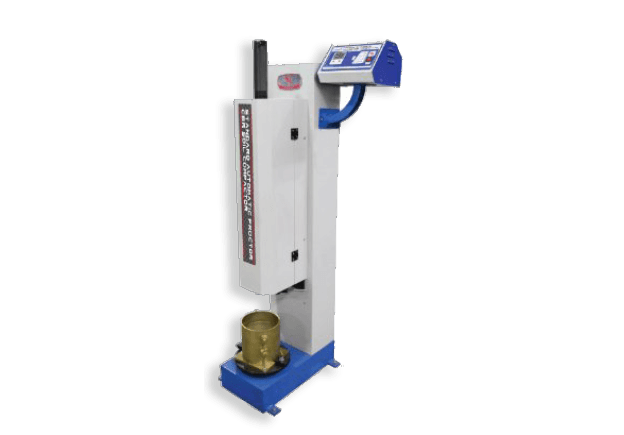
Specialized device for conducting chemical analysis of water samples with high accuracy, aimed at determining the proportions and concentrations of chemical elements and dissolved metals in water used in concrete works or on-site.
Provides high measurement accuracy with a tolerance of ±0.5%.
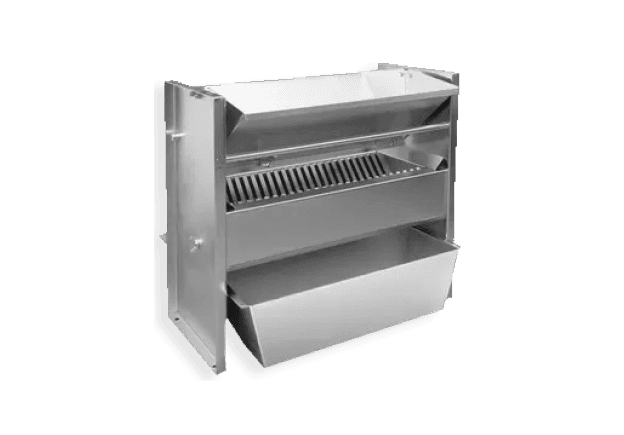
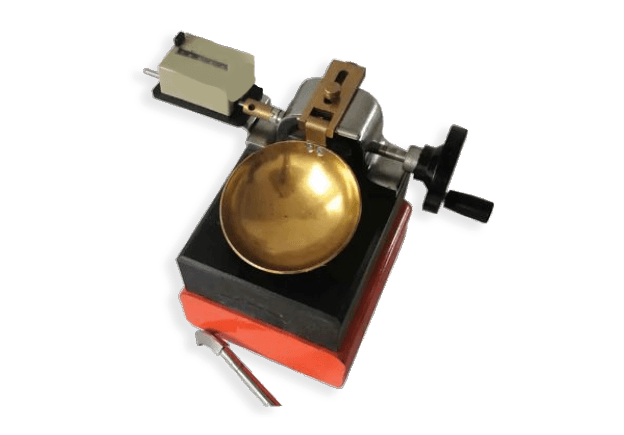
It is used to determine the proportion of non-plastic fine materials in fine aggregates, which affects the quality of asphalt and concrete mixes.
Conforming to ASTM D2419, it provides accurate measurements that determine the quality of fine aggregate.
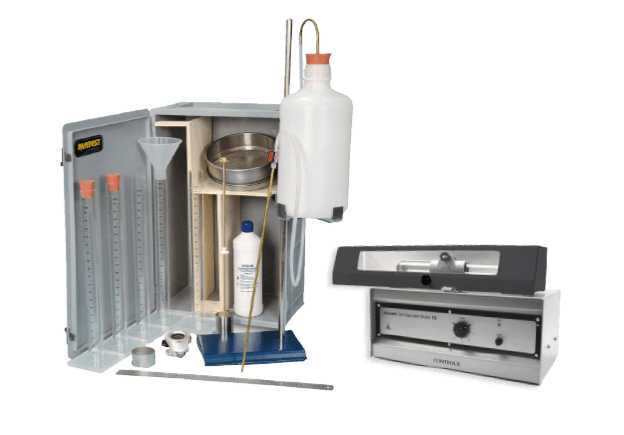
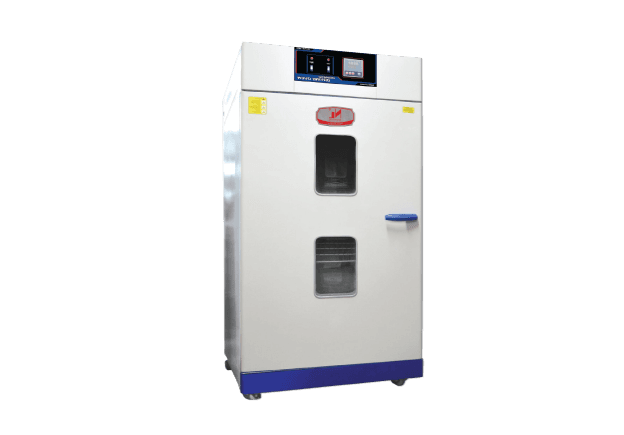
It is used to dry samples and prepare them for various tests such as moisture and density.
Equipped with precise thermal control ±1°C, and uniform heat distribution to achieve accurate and reliable results.